
South Atlantic federal red snapper season is open through October 12; FL, GA, and SC EFP seasons run through October 22
Updated October 11: The federal 3-day season closes at 12:01 AM local time Sunday, October 12. The Columbus Day storm closed offshore access from most SC and GA ports after Thursday. FL, GA, and SC EFP seasons continue through October 22 under each state's harvest limit. NC anglers have no EFP; the federal window is their only October access and it closes tonight.
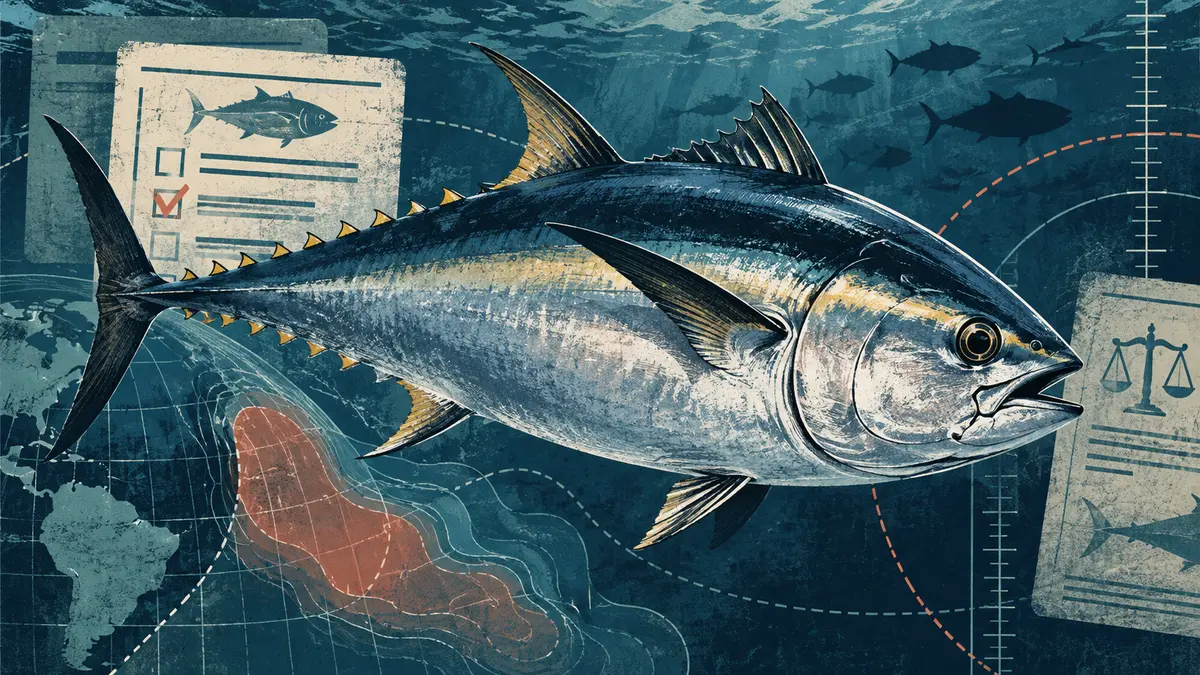
Update, Sunday October 11 at 4:00 AM EDT: The federal 3-day season closes at 12:01 AM local time Sunday, October 12. The Columbus Day storm produced Gale Warnings across SC, GA, and northeast Florida offshore zones from Friday through Sunday, October 11. Thursday, October 9 was the only viable offshore departure window for most SC and GA ports before conditions closed. North Carolina has no EFP for October; the federal season is the only October access for NC anglers in federal waters, and that window closes tonight. South Carolina, Georgia, and Florida EFP seasons continue through October 22, each under its state harvest limit. NOAA Fisheries posts an in-season bulletin if any state EFP harvest limit is reached before October 22; check the NOAA Fisheries bulletins page before departure. The controlling regulatory source is the NOAA Fisheries announcement linked below.
The general federal recreational red snapper season in the South Atlantic opened at 12:01 AM local time Thursday, October 9, and runs through 12:01 AM local time Sunday, October 12. The bag limit is one fish per person per day. No minimum size applies. The season covers all South Atlantic federal waters from North Carolina through Florida. NOAA Fisheries announced the dates on September 21, 2026. The federal season had been closed for most of 2026 after a May court injunction halted prior exempted fishing permit programs; that injunction was resolved ahead of the September announcement.
Florida, Georgia, and South Carolina each received exempted fishing permits for the fall season, extending harvest access from October 9 through October 22. Florida's EFP authorizes 83,720 fish. Georgia's EFP authorizes 4,859 fish. South Carolina's EFP authorizes 8,695 fish. North Carolina did not receive an EFP for October; anglers and for-hire operators from NC fishing in federal waters are covered only by the three-day window. The EFP programs are state-run pilots for alternative data collection and management. Anglers fishing under a state EFP must hold required state licenses and any applicable federal for-hire permits.
After the October season, NOAA Fisheries and participating states will review harvest data to determine whether a second season will open in December 2026. No December opening is confirmed; it depends on how much of each state EFP harvest limit is reached during October.
Update, Friday October 9 at 2:37 AM EDT: NWS Charleston SC re-issued Gale Warnings for the SC coastal and offshore corridor from South Santee River to Savannah GA. Coastal zones out 20 NM expire at 10:00 PM EDT Saturday, October 10; offshore zones from 20 to 60 NM run through 4:00 AM EDT Sunday, October 11. Friday and Saturday offshore departures from SC and GA ports are inside the Gale Warning zone. Sunday is the earliest viable window for those areas, subject to re-issuances. The SC and GA Gale Warning detail and northeast Florida coastal alerts are in the conditions story on this site. In-season closure announcements post to the NOAA Fisheries bulletins page if a quota-based close is triggered before October 12; confirm current status there. Current offshore zone products: weather.gov/mhx for NC, weather.gov/chs for SC and GA. The controlling regulatory source is the NOAA Fisheries announcement linked below.
On the water: Rules and conditions can change quickly. Confirm current regulations and official marine forecasts for your exact trip.