
Atlantic herring spawning closures cover New England inshore grounds through November 3
ASMFC closed Western Maine and Massachusetts/New Hampshire spawning areas September 23. Commercial herring operations face a 2,000-pound possession cap from those areas through peak fall bait season.
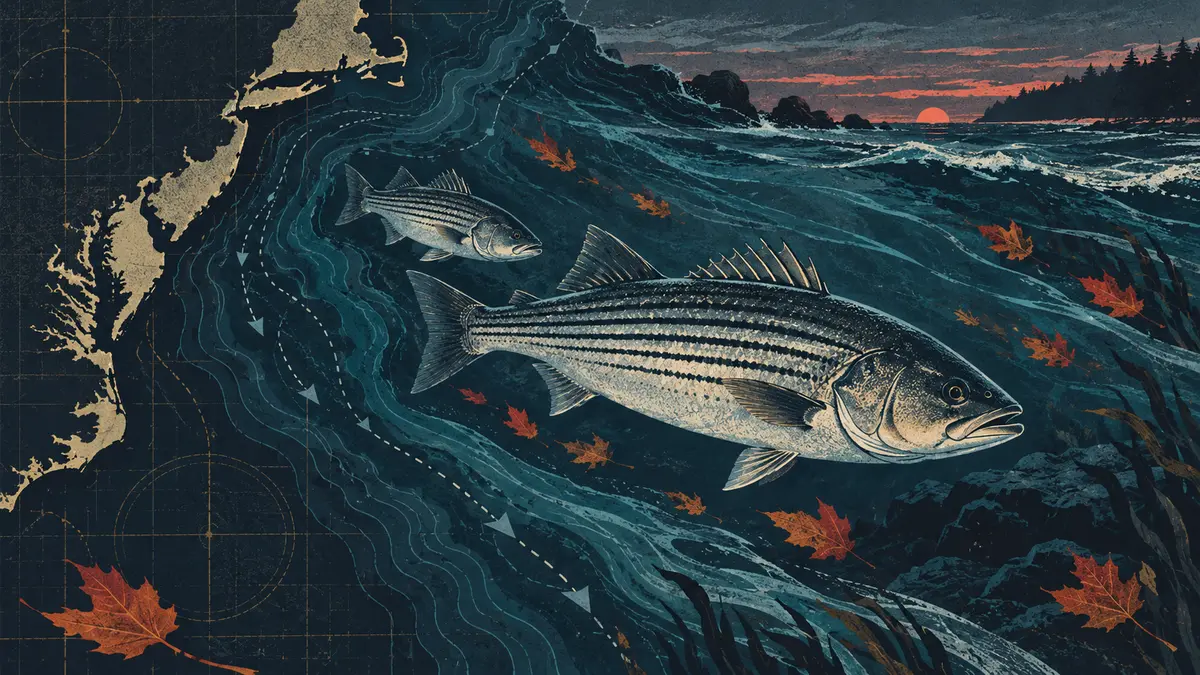
The Atlantic States Marine Fisheries Commission closed the Western Maine spawning area and the Massachusetts/New Hampshire spawning area to directed Atlantic herring harvest starting September 23, 2026. The closure runs through November 3, 2026. During that window, commercial herring vessels cannot possess more than 2,000 pounds of Atlantic herring caught from within either spawning area. Vessels landing herring sourced from outside the closed zones are not subject to the cap.
Atlantic herring is the dominant live and chunk bait for fall striped bass and bluefin tuna fishing in New England. Charter captains and party boats targeting fall-run stripers and school bluefin off Maine, New Hampshire, and Massachusetts depend on fresh commercial herring supply. When closure-area harvest is restricted, dock-level bait availability can tighten through November, depending on how much of the local supply comes from the affected zones. The 2,000-pound cap limits sourcing from inside the spawning boundaries, not all herring landings.
Update, October 8: The Eastern Maine spawning area closure ran from August 28 through October 8 and has now ended. The Western Maine and MA/NH areas remain the active restricted zones through November 3. All three closures are part of the ASMFC Atlantic Herring Interstate Fishery Management Plan; ASMFC coordinates enforcement with NOAA Fisheries Greater Atlantic Regional Fisheries Office and the marine fisheries agencies in Maine, New Hampshire, and Massachusetts.
Recreational anglers fishing rod and reel are not subject to the commercial possession cap. The practical effect is on supply: bait dealers and boats purchasing fresh herring for fall trips may have fewer options from Gulf of Maine inshore grounds through early November. The ASMFC press release and the state marine fisheries agencies for Maine, New Hampshire, and Massachusetts carry any mid-season adjustments and are the controlling sources.
On the water: Rules and conditions can change quickly. Confirm current regulations and official marine forecasts for your exact trip.