
Winter flounder are staging in New England and New Jersey harbors. Here is when the bite turns on.
Water cooling into the upper 50s is the cue: winter flounder move out of open coastal water and into sheltered estuaries, tidal rivers, and harbor systems from late October through December. Connecticut, New Jersey, and Rhode Island seasons are open now. New York's winter flounder season is spring-only. Season dates, bag limits, and where to look by state.
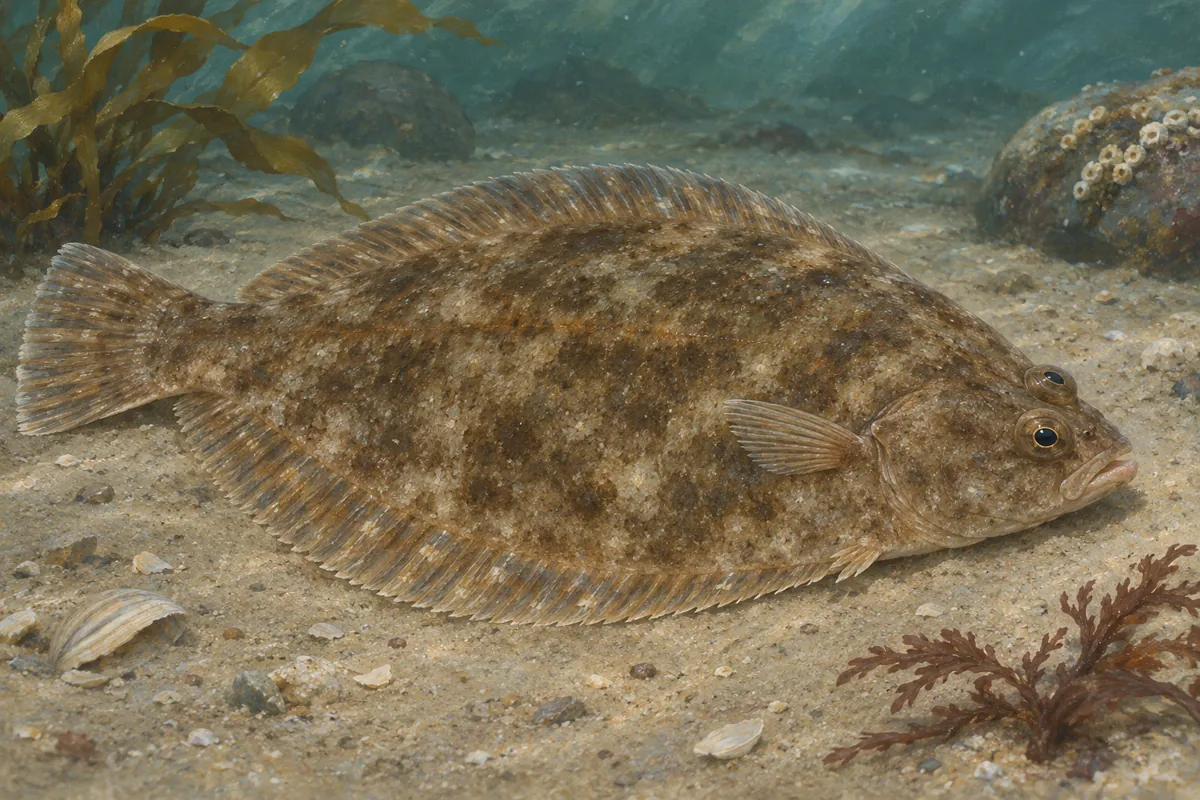
Winter flounder follow temperature. As nearshore water cools from the mid-60s into the upper 50s between late October and December, fish that spent summer in deeper coastal waters move into estuaries, tidal rivers, and harbor systems from New Jersey to Rhode Island. NDBC station 44090 in Cape Cod Bay recorded water at 59 degrees Fahrenheit on October 19, 2026 — at the upper threshold where flounder begin entering protected systems in southern New England. Station 44020 in Nantucket Sound measured 60 degrees the same afternoon. By mid-November, water temperatures in these systems typically reach the mid-50s, concentrating fish in the deepest channels and harbor holes they will hold through December.
In Connecticut, productive fall flounder water includes the Thames River estuary, the Connecticut River mouth, Niantic Bay, and harbors along the Long Island Sound shore from Greenwich to Stonington. New Jersey flounder concentrate in Barnegat Bay, the Shark River, the Navesink River, and the tidal sections of the Mullica River system. In Rhode Island, Narragansett Bay and its tributary coves, the Providence River, and the Sakonnet River are established fall locations. Fish hold on mud-and-sand channel bottoms and near eelgrass edges, generally at depths between 5 and 20 feet. Tautog, bluefish, and striped bass share some of the same estuary systems in October; those species typically clear shallower estuary water before flounder settle in for the winter.
Standard winter flounder tackle is a two-hook bottom rig: a 1- to 3-ounce bank sinker, two short dropper loops, and size 6 to 8 long-shank hooks. Bloodworm and sandworm are the traditional baits, cut into small pieces to match the hook gap. Squid strips and clam are workable substitutes when worms are unavailable or expensive. A chum bag filled with clam chum or menhaden at anchor helps draw fish from a distance. Flounder bites are subtle: the fish mouths the bait rather than striking it, and a slow lift of the rod tip is more productive than a sharp hook set.
The fall fishery differs from spring in fish condition and feeding behavior. Spring fish are post-spawn and re-entering estuaries after a winter in deeper offshore water; they are hungry but physically depleted. Fall fish are staging before winter, building fat reserves in warmer estuarine water, and can be more aggressive when bait is present. The key timing driver in both seasons is water temperature: spring fishing picks up as temperatures climb past 45 degrees; the fall run ends when temperatures drop into the mid-40s and fish move to deeper, more stable offshore water.
Season dates and bag limits by state, based on agency information current for 2026: Connecticut, April 1 through December 31, 12-inch minimum, two fish per day (source: CT DEEP at portal.ct.gov/DEEP). New Jersey, March 1 through December 31, 12-inch minimum, two fish per day (source: NJDEP at nj.gov/dep/fgw). Rhode Island, no closed season, 12-inch minimum, two fish per day (source: RI DEM at dem.ri.gov). New York, April 1 through May 30 only, 12-inch minimum, two fish per day. New York does not maintain a fall or winter harvest season for this species (source: NYSDEC at dec.ny.gov). Regulations can change in-season. The controlling source for each state is its marine fisheries agency; verify current rules at the agency link before any trip.
On the water: Rules and conditions can change quickly. Confirm current regulations and official marine forecasts for your exact trip.