
Striped bass slot limits and bag limits: what the 2026 fall rules mean and where to confirm them
ASMFC Addendum II to Amendment 7 holds the 2026 coastwide ocean baseline at one fish per day, 28 to 31 inches. The slot is a ceiling as well as a floor — a 32-inch fish is a release. Chesapeake Bay states run a narrower Bay-specific slot. Here is what each Atlantic state implements and where to find the controlling rule before you leave the dock.
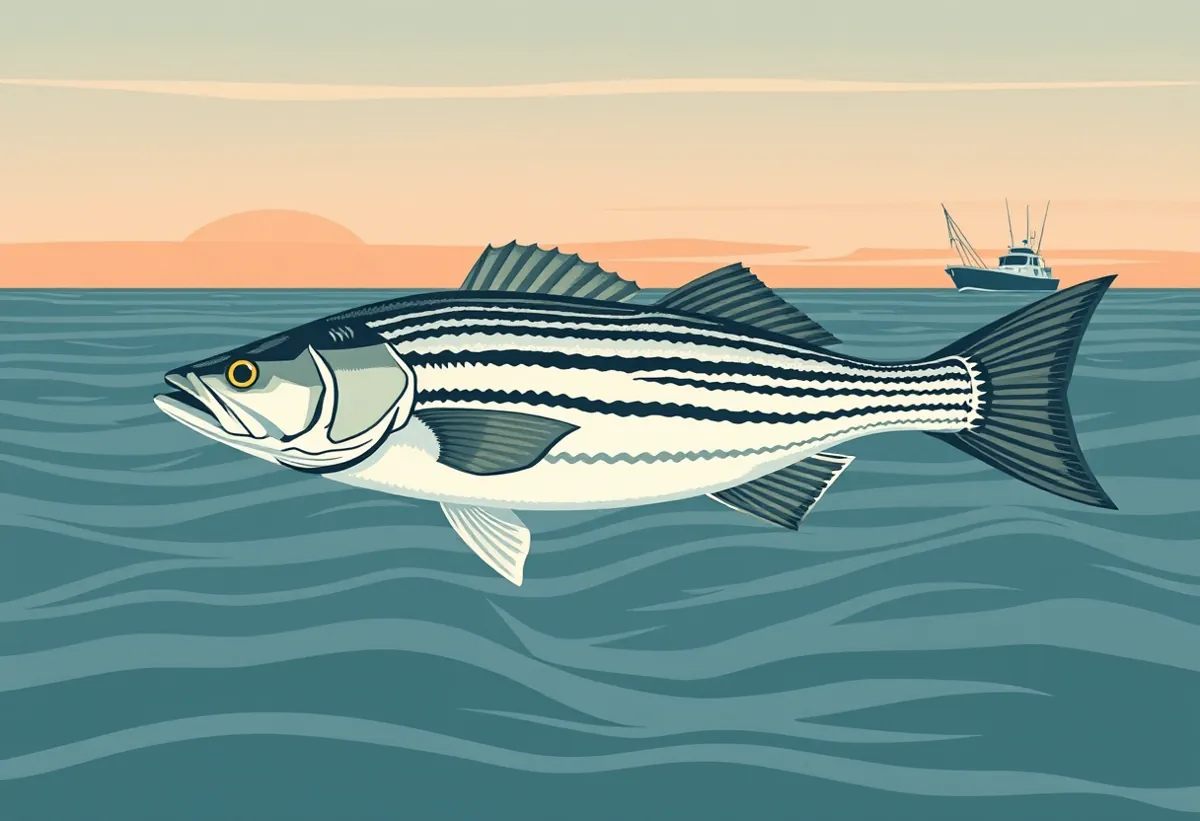
The fall striper migration is peak season for regulation queries. Atlantic striped bass is declared overfished under the ASMFC management plan, and the rules have tightened under Amendment 7 to the Atlantic Striped Bass FMP, finalized in 2022. Addendum II to Amendment 7 implemented a 28-to-31-inch slot limit with a one-fish daily bag limit for ocean recreational fisheries on a coastwide basis. For 2026, those limits hold: ASMFC decided in late 2025 not to implement a proposed 12 percent reduction in removals, so the Addendum II slot and one-fish limit carry forward unchanged. The slot and the one-fish limit apply from Maine through North Carolina in ocean and coastal waters.
A slot limit is different from a minimum-size rule. A minimum allows any fish above the floor; a slot adds a ceiling. Only fish between the two marks are eligible for harvest. Under the 28-to-31-inch slot, a 27-inch fish is too small and a 32-inch fish is too large — both are releases. The slot protects large female spawners above 31 inches, which produce disproportionately more eggs per pound than smaller fish and are central to the rebuilding timeline. Addendum III to Amendment 7, adopted in 2025, standardized the measurement method: total length from tip of closed mouth to farthest point of the tail, with the tail fork pinched closed. At the boundary, measure before claiming — a borderline fish deserves a careful measurement, not an optimistic estimate.
Maine through Connecticut implement the ASMFC coastwide ocean slot directly. Maine DMR confirms 2026 regulations as 28 to 31 inches inclusive, one fish per person per day, with a year-round open season. Massachusetts, Rhode Island, and Connecticut run the same slot in ocean and coastal waters with a one-fish daily limit; check each state's current marine fishing regulations poster for the precise upper-bound phrasing and any state-specific season restrictions. New York and New Jersey follow the ASMFC minimum for ocean waters; both states may set season dates or supplemental restrictions beyond the ASMFC floor — confirm 2026 dates at the New York DEC and New Jersey Division of Fish and Wildlife before any trip. Delaware implements the ASMFC baseline in Bay and coastal ocean waters; the Delaware Division of Fish and Wildlife is the controlling source for current season dates.
Maryland and Virginia run the Chesapeake Bay striped bass program on a separate calendar and size structure from the ocean fishery. Maryland DNR operates two Bay harvest windows: June 1 through July 31 and September 1 through December 5, each with a 19-to-24-inch slot and one fish per person per day. December 6 through December 31 is catch-and-release only in Maryland Bay waters. Virginia Bay striper season runs October 4 through December 31 with a 19-to-24-inch slot and a one-fish daily limit. The narrower Bay slot targets the dominant size class in the Bay and is managed separately from the coastwide Amendment 7 program. Anglers fishing tidal tributaries in either state should check for tributary-specific proclamations, which can set different dates or sizes from the main Bay season.
North Carolina manages striped bass in its coastal and estuarine systems under proclamations rather than a continuous open season. The NCDMF spring 2026 estuarine season on portions of the Tar-Pamlico and Neuse Rivers ran April 1 through April 30 with an 18-inch minimum and one fish per person per day. North Carolina anglers should check current NCDMF proclamations at deq.nc.gov/marine-fisheries before any striper trip; open seasons, zones, and limits are set by proclamation and can change within the season.
In federal waters beyond three nautical miles, recreational striped bass regulations are enforced by NOAA Fisheries' Atlantic Highly Migratory Species division. For recreational anglers aboard U.S.-registered vessels in federal waters, the 28-to-31-inch slot and one-fish bag limit apply, consistent with the ASMFC coastwide plan. Charter and party boat captains holding HMS permits may be subject to permit-specific conditions in addition to the recreational bag limits. The NOAA HMS website is the controlling source for federal-water regulations.
On a charter or party boat, the one-fish bag limit applies per angler, not per vessel. A six-person party can retain up to six stripers in the slot, one per angler — not one fish total for the boat. The captain is responsible for ensuring the total aboard does not exceed the per-angler limit multiplied by the number of anglers. A retained fish counts against that angler's daily limit regardless of who handled the rod.
Limits for Atlantic striped bass can change in-season if ASMFC or a state adopts an emergency measure. The rules above are based on ASMFC Addendum II, Addendum III, and state agency information current as of October 2026. Before any trip, confirm current rules at the controlling agency page for the water you are fishing. ASMFC's striped bass page at asmfc.org/species/atlantic-striped-bass carries the management plan and addendum links; state agency pages are linked from the ASMFC site. A forum post, dock conversation, or last year's regulations booklet is not a controlling source.
On the water: Rules and conditions can change quickly. Confirm current regulations and official marine forecasts for your exact trip.