
Striped bass on Cape Cod: where the fall bite stands in late October
On The Water's October 22 Cape Cod regional report described striper fishing as good from the backwaters to the beaches of Cape Cod Bay. NDBC buoy 44090 recorded 57-degree water on October 26; that is warm for late October and the migration window is still open. Massachusetts follows the coastwide 28-to-31-inch slot with one fish per day. Confirm current season dates at mass.gov/dmf before your trip.
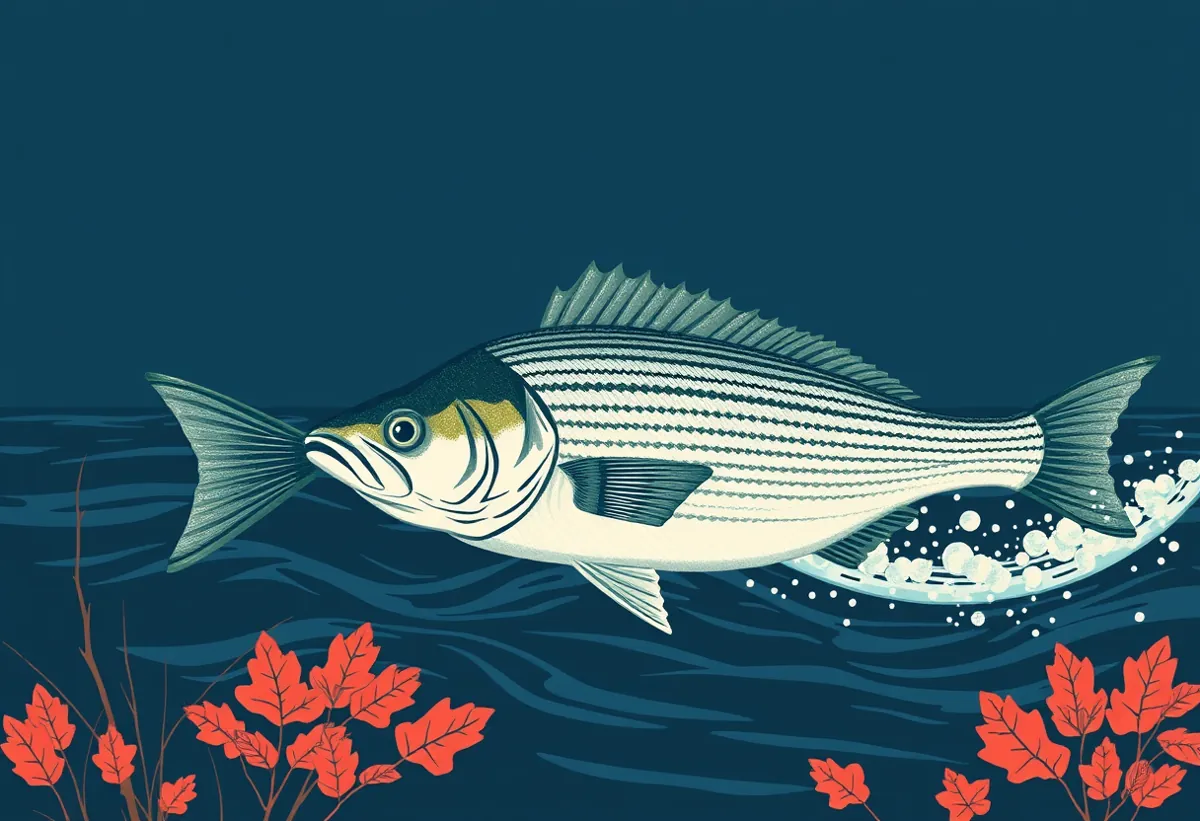
On The Water's October 22 Cape Cod regional report described striper fishing as "good from the backwaters to the beaches of Cape Cod Bay," with bonito still in the Canal and along the Elizabeth Islands. That report is the most recent attributed source in the data feed for this corridor; the general pattern it describes matches the fall timing for this stretch of coast. On The Water publishes weekly regional reports at onthewater.com.
NDBC buoy 44090 (Cape Cod Bay) recorded 57-degree water and 1-foot seas at 8:30 AM EST on October 26. Buoy 44020 (Nantucket Sound) showed 56-degree water and WSW winds of 12 knots gusting to 14 at 8:40 AM EST. Those temperatures are on the warm side for late October in Cape Cod Bay. The migration push typically accelerates when surface temperatures fall into the low-to-mid 50s, so the window here is still open rather than closing. When the buoys drop through 54-55 degrees in November, the fish that remain move fast.
The Cape Cod Canal banks run roughly seven miles and are open to the public for their full length on both sides, maintained by the U.S. Army Corps of Engineers. Access is on foot from the Sandwich or Bourne end. The current runs hard with each tidal cycle, and bait concentrates in the cuts and rips along the rocks. Race Point at the tip of Provincetown and the outer Cape surf from Nauset Beach south through Chatham are exposed beach-access fisheries; parking and seasonal access restrictions vary by section. Check Cape Cod National Seashore rules before driving the beach. Monomoy Point, off the south end of Chatham, is a boat fishery; the shoals and outer bars concentrate bait as it funnels south. The Chatham Fish Pier at Stage Harbor is the staging point for most Monomoy-area charter trips.
Live or cut bunker (Atlantic menhaden) accounts for most of the fall harvest on Cape Cod. Circle hooks are required when fishing any natural bait for striped bass in Massachusetts coastal waters. Casting plugs work the Canal rips and outer beach surf when conditions allow: SP Minnow-style swimmers for moderate conditions, pencil poppers in breaking water and chop. Soft plastic jigs, 1.5 to 3 ounces on a lead head, are the Canal staple when current is running and surface action is not showing. Fly anglers run Clousers and large deceivers in the Canal eddy zones and on the flat water behind Provincetown in calm conditions.
Massachusetts follows the coastwide 28-to-31-inch slot with one fish per day. Fish below 28 inches or above 31 inches must be released. Federal EEZ waters beyond the three-nautical-mile state line are closed to striped bass retention. Massachusetts season dates vary by water body and are set annually by the Massachusetts Division of Marine Fisheries. The MA DMF recreational saltwater fishing limits page at mass.gov is the controlling source for current rules, including any in-season emergency changes. The Saltwater News Massachusetts regulations page at /regulations/massachusetts/ shows the current MA species table with verified check dates.
Check NWS Boston/Norton for the Cape Cod Bay and Nantucket Sound marine zone forecasts before any departure. Conditions on the outer Cape can differ sharply from inshore harbor weather; the Provincetown corridor and Chatham bars are exposed to northwest and northeast fetch. Pull the current zone text at marine.weather.gov before leaving the ramp. Absence of a recent report from a specific port or ramp does not mean fish are absent from that area.
On the water: Rules and conditions can change quickly. Confirm current regulations and official marine forecasts for your exact trip.