
Tautog and blackfish are open across the Northeast. Current rules and what's producing from Massachusetts to New Jersey.
Connecticut's fall window closes November 28; New Jersey's bag limit is 1 fish through November 15, then 5 fish starting November 16. Massachusetts, Rhode Island, Connecticut, New York, and New Jersey are all open now, with structure fishing producing from Long Island Sound to Cape Cod Bay. Source-verified season dates, bag limits, and locations by state.
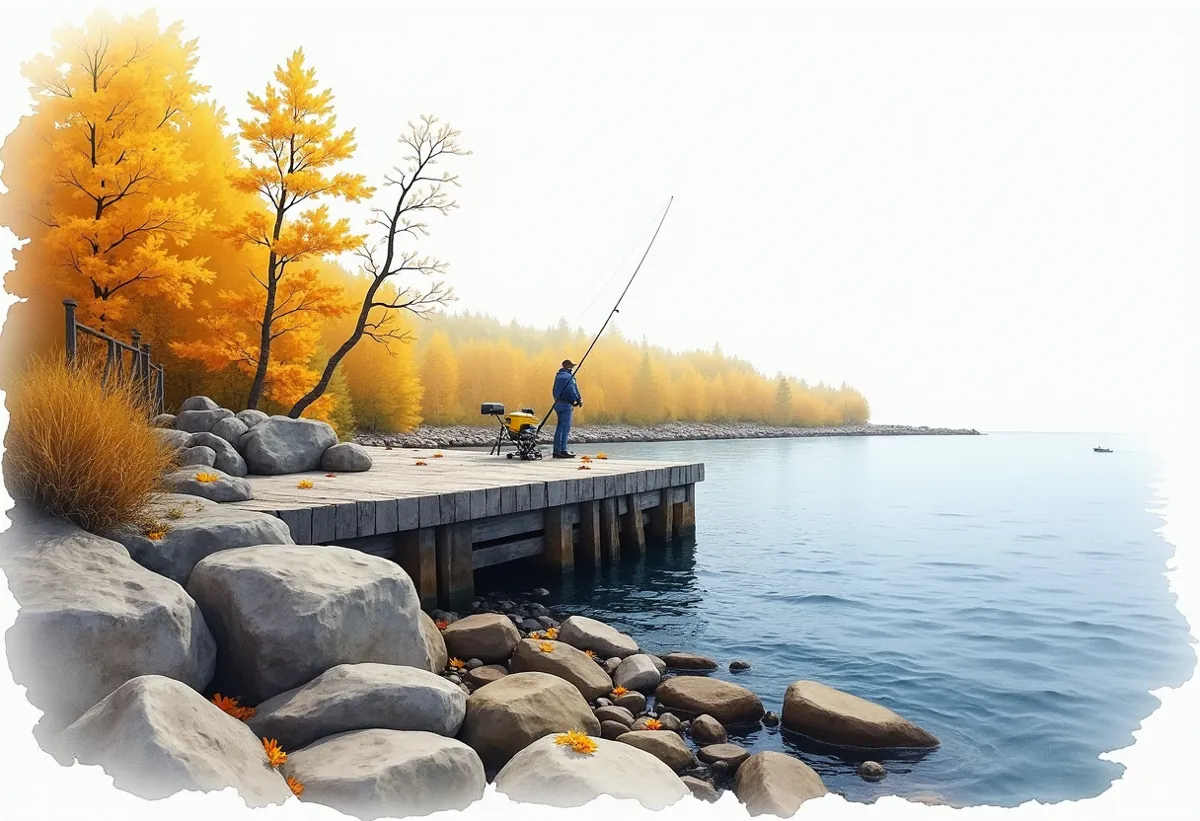
On The Water's October 22 Rhode Island report described the tautog bite as excellent with fish spread across shallow and deep structure. The October 22 Connecticut report called the blackfish bite steady throughout Long Island Sound. In New Jersey, the October 22 Northern NJ report had blackfish hitting in the inlets and the Point Pleasant Canal; the Southern NJ report noted tautog at bridges and inlet jetties along the Cape May corridor. NDBC station 44090 at Cape Cod Bay recorded water at 57 degrees Fahrenheit at 10:30 AM EST October 26; station 44020 in Nantucket Sound recorded 56 degrees. Tautog feed through water temperatures in this range and hold tight to structure before moving offshore as temperatures drop toward the mid-40s in late November and December.
Massachusetts is open April 1 through December 31. The current bag is 5 fish per angler per day (the October 15 through December 31 sub-period), with a 16-inch minimum size; only one fish per person per day may exceed 21 inches. Private anglers are also subject to a 10-fish per-vessel daily cap. On The Water's October 15 Massachusetts report called tautog the saltwater standout of the week. Rocky bottom in Cape Cod Bay, the Canal breakwaters at Sandwich and Sagamore, Buzzards Bay, and nearshore wrecks along the South Shore are established fall locations. Current rules are at mass.gov/info-details/recreational-saltwater-fishing-regulations and at /regulations/ma/. Rhode Island runs August 1 through December 31, currently in its 5-fish-per-day period (October 15 through December 31). The same 16-inch minimum, 21-inch one-fish allowance, and 10-fish private vessel cap apply. The Narragansett Bay reefs, Point Judith area, and Sakonnet River rocky shorelines are the primary RI fall grounds. Current rules are at dem.ri.gov/marinesizes and at /regulations/ri/.
Connecticut runs October 10 through November 28, five weeks of season remaining from today. Bag limit is 3 fish per angler per day; minimum size is 16 inches. The Long Island Sound corridor is the only CT fishery: rocky ledges, nearshore wrecks, and hard bottom from the Race east to Stonington hold fish through the season close. CT DEEP is the controlling source at portal.ct.gov/DEEP/Fishing/Saltwater-Fishing-Guide/Species-Regulations; state regs are at /regulations/ct/.
New York splits the season by region. Long Island Sound (waters east of the Throgs Neck Bridge and west of the Orient Point to Watch Hill, RI line) is open October 11 through December 9 with a 3-fish daily bag. The NY Bight (ocean side and all other marine waters) is open October 15 through December 22 with a 4-fish daily bag. Minimum size is 16 inches in both regions. Rocky reefs and ledges throughout the Sound, Port Jefferson Harbor approaches, and Niantic Bay are established LIS locations; Montauk nearshore wrecks, the Rockaway Reef complex, and Sandy Hook area structure are the primary Bight access points. NYSDEC is the controlling source at dec.ny.gov/things-to-do/saltwater-fishing/recreational-fishing-regulations; state regs are at /regulations/ny/.
New Jersey's fall season opened August 1 and runs through December 31, but the bag limit changes at mid-season. Through November 15, the daily limit is 1 fish. Starting November 16, it rises to 5 fish and holds through the end of the year. Minimum size is 15 inches, one inch below the standard in the other four states. That difference matters at the livewell: a 15-inch fish legal in New Jersey would be short in CT, NY, RI, or MA. The Manasquan and Barnegat inlet jetties, the Point Pleasant Canal, and nearshore wrecks along Monmouth and Ocean counties are current NJ fall locations. NJ Fish & Wildlife is the controlling source at eregulations.com/newjersey/fishing/saltwater/state-size-possession-limits; state regs are at /regulations/nj/.
Green crabs are the standard bait across the Northeast fall run. Asian shore crabs, now established on jetties and rocky structure from New York through Massachusetts, are an effective substitute where green crabs are hard to source. Fiddler crabs produce in shallower estuary systems. In water deeper than 20 feet, or when live crabs are unavailable, jigs in chartreuse, white, or dark natural colors on a short dropper loop above a sinker take fish holding tight to structure. Tautog stay on the upcurrent face of rocks and pilings and will not chase a bait far. A short, stiff rod in the 6.5- to 7-foot range with 20- to 30-pound class line handles the leverage needed to pull fish off wreck steel or jetty rocks before they can lock down; once hooked, keep pressure on through the first run.
The rules summarized above are drawn from state agency sources verified through October 2026. Bag limits and season dates for tautog are managed state-by-state and can change in-season. Zone-based splits (as in New York) require anglers to confirm which region covers their departure point. The controlling source in each state is the marine fisheries agency page; verify current rules at the agency link before any trip.
On the water: Rules and conditions can change quickly. Confirm current regulations and official marine forecasts for your exact trip.