
Angler groups seek a seasonal menhaden reduction-fishing closure in the NY–NJ Bight
A coalition’s petition asks the Commerce Department to close the New York–New Jersey Bight to menhaden reduction fishing from May through December. The request is separate from the ASMFC menhaden board’s November decisions on coastwide quotas and a Chesapeake Bay cap.
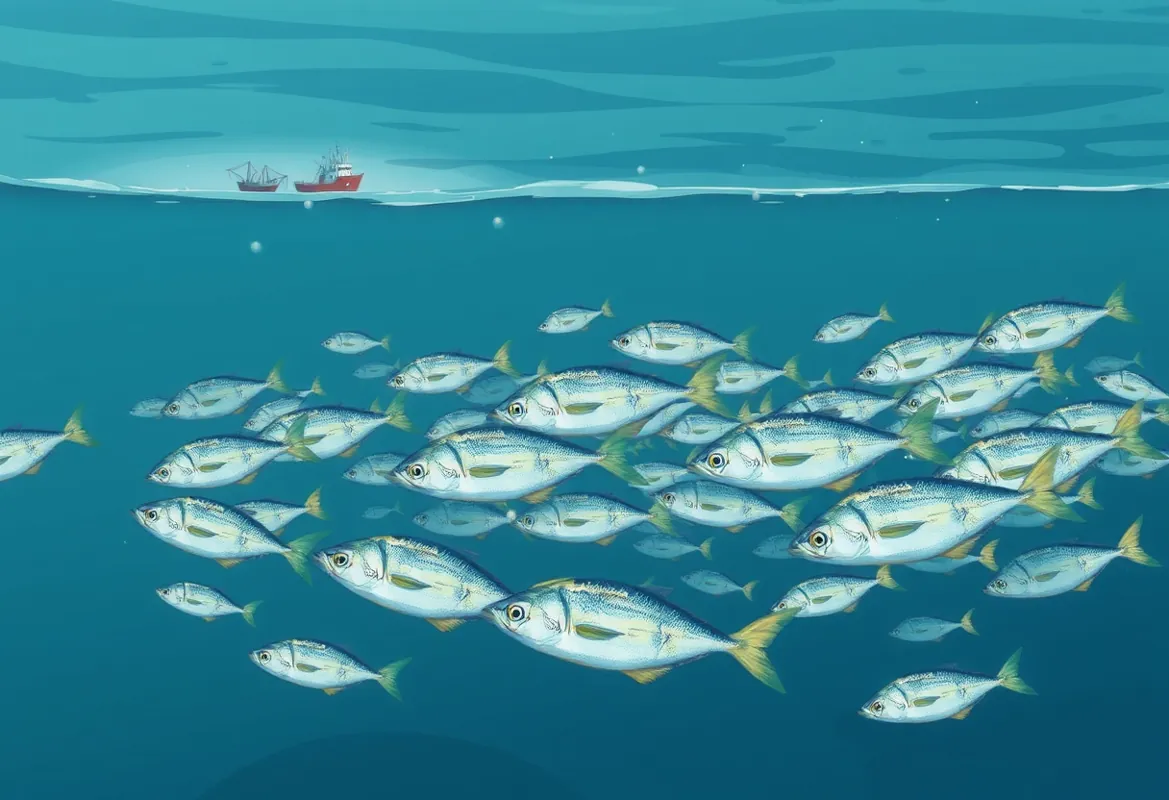
A coalition led by the Jersey Coast Anglers Association and Hudson River Fishermen’s Association is asking the U.S. Commerce Department for an emergency seasonal closure of Atlantic menhaden reduction fishing in the New York–New Jersey Bight. Its published petition text asks for a permanent rule covering at least May 1 through December 31 each year. The requested restriction is on reduction fishing, which processes menhaden into meal and oil; the text does not call for a ban on recreational bait fishing.
The petitioners argue that local menhaden removals reduce forage for striped bass and other predators. That is their claim, not a finding that a Bight closure has been adopted or that one fleet explains a particular fishing report. The campaign page provides the request and named petitioners, but no agency docket or decision is linked there. No federal closure is established by the petition itself.
The Atlantic States Marine Fisheries Commission has a separate decision track. Its November 9–12 annual meeting materials put 2027–2029 menhaden fishing-year specifications and Draft Addendum II on the Atlantic Menhaden Management Board agenda. Addendum II concerns the Chesapeake Bay reduction fishery cap, not the proposed Bight closure. ASMFC says its 2025 assessment found the coastwide menhaden stock neither overfished nor subject to overfishing under ecological reference points that account for striped bass forage needs. Those coastwide findings do not settle the petitioners’ local Bight claim.
For anglers, the distinction is practical: this petition is a request, while the ASMFC board has scheduled separate management decisions. Check the Commerce Department or NOAA Fisheries for any federal response and ASMFC for the board’s final actions before treating either proposal as a rule.
On the water: Rules and conditions can change quickly. Confirm current regulations and official marine forecasts for your exact trip.