
University of Maine study finds 80% drop in juvenile lobsters since 2010 and 50% decline in harvestable adults
New University of Maine research tracking Gulf of Maine lobsters sampled from 2010 through 2022 found an 80% decline in the youngest juveniles over that span and a 70% drop in young lobsters since 2015. Harvestable adults are down 50%, the study found. Juvenile abundance is an established early indicator of adult population trends. Findings were reported October 16 by Fox 22 and republished by Saving Seafood; the full study has not been publicly linked.
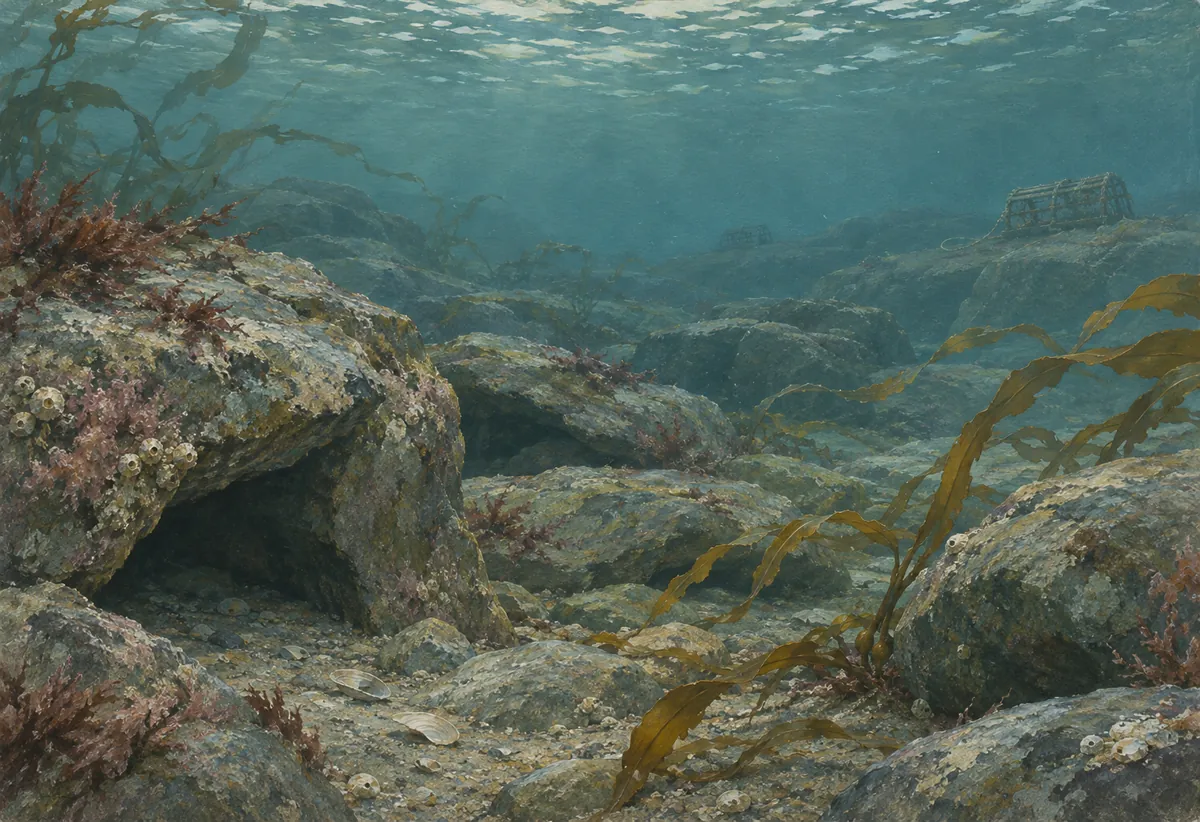
University of Maine researchers tracked Gulf of Maine lobster populations from 2010 through 2022 and found a steep drop across age classes. Juvenile lobsters, the youngest sampled category, fell 80% over that period. Young lobsters declined 70% since 2015. Harvestable adults are down 50%, according to the research. Fox 22 reporter Sam Miller covered the findings on October 16; Saving Seafood republished the report the same day. The full study has not yet been publicly linked.
Juvenile lobster abundance is an established leading indicator for adult population size. After spawning, lobster larvae spend weeks in the water column before settling to bottom habitat, where they grow over several years toward harvestable size. A sustained drop in juvenile settlement typically works through the population over time, reducing the number of adults available to the fishery and to spawning. A decline spanning more than a decade of surveys, as this research covers, goes past the range of a single bad recruitment year.
Maine lobster is the largest commercial fishery in New England by ex-vessel value, supporting processing plants, dealers, and working waterfront infrastructure across the Maine coast. Recreational lobstering in Maine requires a separate state-issued recreational license with a capped number available. The commercial harvest represents the primary volume pressure on the stock. The study as reported does not identify a cause for the decline; prior research has associated Gulf of Maine lobster recruitment variability with bottom temperature, habitat condition, and predator dynamics, but the Fox 22 report does not make those connections for this study.
Maine DMR publishes current lobster license and management information at maine.gov/dmr. Commercial lobster permit holders and captains operating in federal waters should watch NOAA Fisheries at fisheries.noaa.gov for any federal management response to this or related stock findings. These findings are attributed to Fox 22 and Saving Seafood as noted above; the full University of Maine study has not been publicly linked.
On the water: Rules and conditions can change quickly. Confirm current regulations and official marine forecasts for your exact trip.