
ASMFC starts Draft Addendum X on horseshoe crab harvest rules; Delaware Bay stays male-only for 2027
The Horseshoe Crab Management Board will consider the draft for public comment in January 2027. It would add a zero-female-harvest trigger below 7 million Delaware Bay females and revise the bait-harvest value ratio.
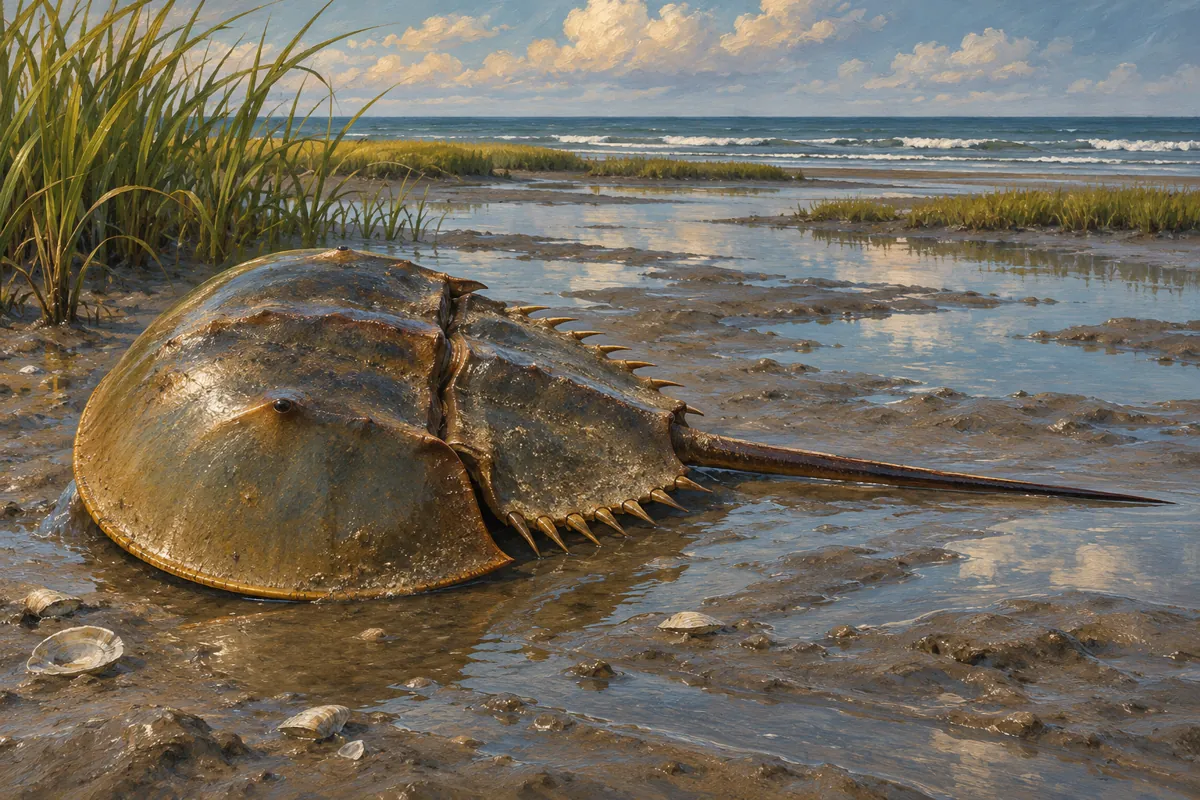
The Atlantic States Marine Fisheries Commission says its Horseshoe Crab Management Board has initiated Draft Addendum X to the interstate fishery management plan. The draft would change the Adaptive Resource Management (ARM) Framework, which balances commercial horseshoe crab harvest in the Delaware Bay region against the needs of migratory shorebirds, especially the threatened rufa red knot, that feed on horseshoe crab eggs each spring.
The draft responds to a stakeholder process completed earlier this year, with bait harvesters and dealers, the biomedical industry, and conservation groups at the table. It considers three changes: a harvest utility value of 2.65 males per female for bait, based on values from harvesters and dealers; an updated red knot abundance utility function based on conservation stakeholders; and a harvest policy trigger that sets female harvest to zero if the Delaware Bay female horseshoe crab population falls below 7 million.
The Board will consider approving the draft for public comment in January 2027, with public hearings in late winter or early spring. Nothing in the addendum is in force yet, and its contents could change before then.
Separately, the Board kept the male-only harvest specifications for the Delaware Bay region that were set for 2027. After reviewing red knot and horseshoe crab survey data, it found no changes were needed.
Why anglers care: horseshoe crab is a common bait for whelk (conch) and eel fishing, so harvest limits can affect bait supply and price. The ASMFC release does not say anything about bait prices or recreational rules, so we are not drawing a supply forecast from it. The controlling source is the ASMFC release and the Board documents it links; contact is Caitlin Starks, Senior Fishery Management Coordinator, at cstarks@asmfc.org.
On the water: Rules and conditions can change quickly. Confirm current regulations and official marine forecasts for your exact trip.